By Marine Superintendent, Tarun Kansal
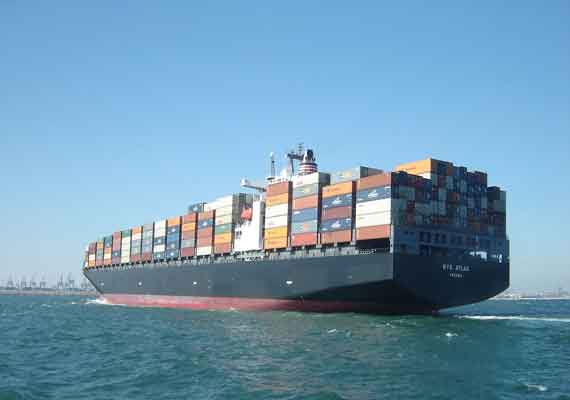
Marine vessels are used primarily for the transportation of people and goods. The need to maintain these ships is important because they can be very expensive to replace if damaged by accidents or natural disasters. Marine vessel maintenance, the act of maintaining marine vessels, help protect them so that they may continue to serve society in the future.
There are many different types of marine vessel maintenance which includes preventative measures such as regular checkups, repairs when needed, and training crew members on proper operation techniques that we are going to cover in this blog.
What is vessel maintenance?
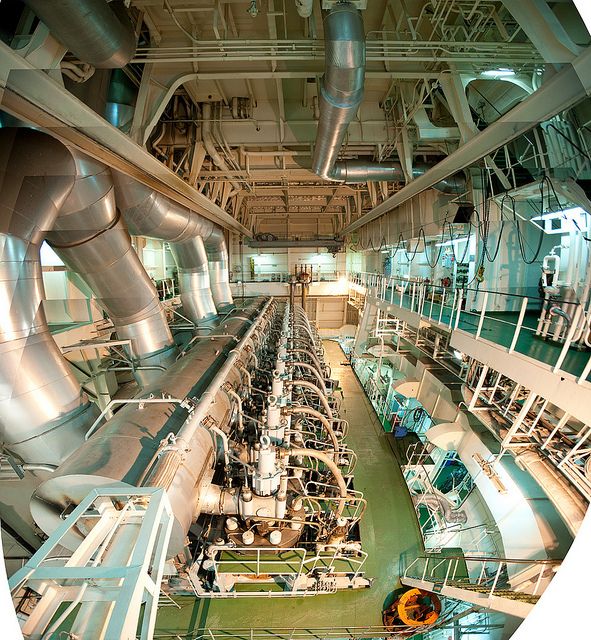
A vessel is a general term for any watercraft–a ship, boat, or anything that could float. The maintenance work refers to all activities related to caring for your vessel. This could include fixing problems with the engine, pump systems, electrical system; cleaning; updating navigational technology, and performing day-to-day tasks like removing debris or clearing out lockers as maintenance tasks.
Ship maintenance is an important part of vessel operations where the main parts of vessels that need to be maintained are the engine, electrical system, among others, using maintenance programs. Maintenance programs are set up to keep your vessel in proper operating condition at all times, while not getting in the way of routine operations.
What do I need to know?
Anyone planning a boating trip should know basic vessel maintenance, at the very least how to empty water from your boat’s drain plugs and change your engine’s oil. But understanding more about vessel maintenance will help you be a better captain. Knowing the difference between an impeller and a propeller, for example, will help you talk about your boat with other boaters.
Periodic maintenance is a part of the life cycle that all ships (or vehicles) go through. The owner’s manual or manufacturer provides a schedule to follow. These schedules can vary from one car to another, but the manufacturer’s schedule will provide the best results.
Usually, workers are following a maintenance schedule in order to identify problems early in the life of a vehicle. This allows for parts that are worn out or defective to be replaced before they cause bigger issues. This is why following a schedule is important to the life of a vehicle and will save time and money over the long run.
A scheduled maintenance system helps the driver or inspector to keep track of the many maintenance tasks that a ship requires. Some watercraft requires more frequent fluid changes, such as oil and brake fluid, whereas a much larger ship might require less frequent, but more difficult inspections. It is important to keep up with the maintenance schedule whenever possible.
The Fleet Managers
The fleet managers will be overseeing everything: they make sure that everyone has the tools and equipment they need and that schedules and deadlines are met. They also step in if an emergency happens or some kind of mistake occurs.
The fleet managers for ship maintenance need to be on top of everything while still being able to delegate tasks when necessary. The fleet manager is usually a job given for people who have years of experience in the field because they know every aspect of maintaining the ship.
They need to be aware that their decisions can affect business or even result in injuries, so fleet managers for ship maintenance are expected to act professionally at all times.
What are the 4 types of maintenance?
Four general types of maintenance philosophies can be identified: corrective, preventive, risk-based, and condition-based maintenance.
Predictive maintenance: This is when mechanics have the ability to proactively assess the health of a machine before it has an issue. Predictive maintenance is a part of the life cycle that all ships (or vehicles) go through.
Corrective maintenance: This type of maintenance is very simple. It occurs when something goes wrong and the mechanic has to fix it.
Risk-based maintenance: Risk-based maintenance focuses on high-value assets while considering the probability of failure across the equipment’s remaining service life.
Condition-based maintenance: Condition-based maintenance is a systematic process of measuring, monitoring and analyzing equipment condition data over time. The resulting condition assessment enables the prediction of components remaining
How many types of vessel maintenance are there?
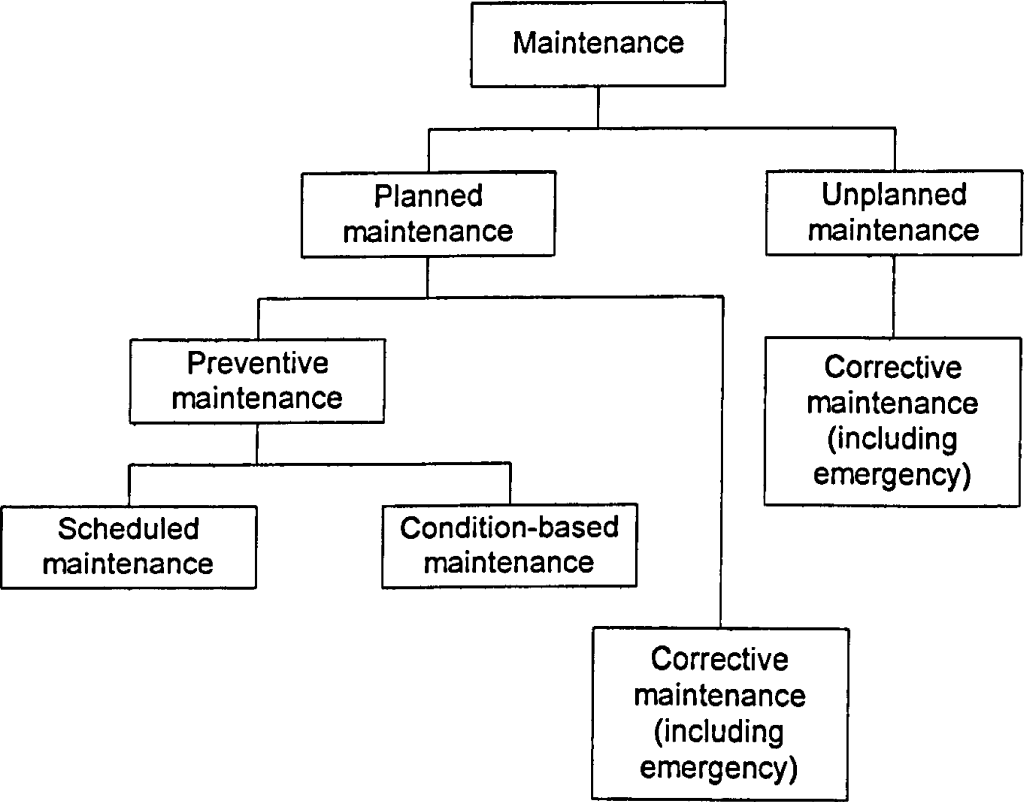
There are three types of maintenance, which are preventive, predictive, and corrective.
Preventive maintenance: The owner’s manual or manufacturer provides a schedule to follow. These schedules can vary from one car to another, but the manufacturer’s schedule will provide the best results.
Scheduled or predictive maintenance: This is when mechanics have the ability to proactively assess the health of a machine before it has an issue. Predictive maintenance is a part of the life cycle that all ships (or vehicles) go through.
Corrective maintenance: This type of maintenance is very simple. It occurs when something goes wrong and the mechanic has to fix it.
How do you maintain ship?
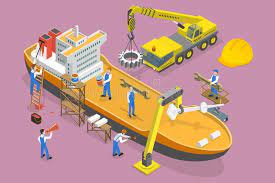
To maintain a ship, follow the procedures outlined in the “ship’s book.” This will tell you what needs to be inspected on your ships at regular intervals. When it comes time for inspection of your mechanical equipment, look over the ship’s book for what needs to be done and get it done. If you need any help, ask a higher-ranking officer or go to a mechanic for assistance.
Maintenance is necessary to keep a ship running well and looking good. It can be done as part of an inspection or as scheduled maintenance. Inspections happen regularly but scheduled maintenance should happen according to the ship’s book, which details how often certain things need to be inspected and/or maintained. These include routine inspections (to check for damage), lube oil change intervals, and major overhauls (when all equipment is taken apart and reassembled).
The cost of maintenance varies from ship to ship. Ships cost lots of money to maintain but their costs can go even more when you have an equipment failure at sea and need unexpected repairs. Keep up your ship maintenance up to date so these unplanned repairs won’t be costly by the end of the day.
SHIP MAINTENANCE PLAN

A ship maintenance plan aims to get the maintenance and repair work done in the least possible time with minimum costs. Ship maintenance is a comprehensive service consisting of several activities destined to keep the machinery up to date and in a smooth running condition, and to ensure the vessel is preserved in excellent shape. Proper maintenance of a ship is the right way to extend the life cycle of its components and reduce degradation or even failure of the machinery.
Vessel upkeep must follow all safety and prevention regulations, which helps to achieve optimal reliability across all systems.
Producing a Maintenance Plan
A ship’s maintenance plan should include all tasks and protocols needed to keep the vessel’s efficacy and reliability:
- List of every task required to be performed at the facilities, also its frequency.
- Improve the ship’s efficiency on every activity.
- Keep machinery and equipment at optimal performance levels.
- Keep track of every breakdown or failure and reduce its frequency and the time it takes to repair it.
- Prevent forced downtime as consequence of serious damage or failure.
Maintenance process
Producing a maintenance plan consists of five steps: Information, planning, assignment, execution and analysis. The proper completion of all steps optimizes the performance of the vessel and prevents severe damage or failure.
Information
First step consists of collecting information and data on the ship’s machinery and equipment, as well as its maintenance needs. This information must be provided by the manufacturer, and must consist of assembly schematics and instructions on the repairs and the replacing of parts.
Information on specific machinery protocols should be obtained, also information from the ship’s breakdown log could prove very useful, as information obtained from the crew members own experience.
Planning
To plan the maintenance means to schedule all the different tasks appropriately, and also to assign the crew responsible for each one. Some maintenance and repair must take place in dry dock, and must be planned accordingly well in advance to minimise vessel downtime.
It is very important to distribute the work load with the crew and request the electronic or mechanical inspections from the specialist. Tasks related to the same system will be grouped in the maintenance plan.
Assigning duties
To determine the correct course of all maintenance tasks it is essential to be aware of the capacities of the crew members. Identify mechanical work from electrical and assign each worker the task they are better suited, and more prepared for. These tasks must be correctly scheduled and any task under administrative inspection must be given priority.
Once all tasks have been assigned, workers will perform their duties with the help of the corresponding material resources. The execution step consists of several processes:
Execution
- The Chief Engineer will supervise monthly maintenance, and will be responsible for delayed tasks.
- Every crew member with maintenance duties assigned will see to them, these duties will be recorded in the maintenance log. It will include all relevant information, such as defects or imperfections found, or parts replaced.
Analysis
All the information contained in the maintenance log must be notified to the shipowner. So they have a complete understanding of the ship’s condition, and also to keep a vessel’s repair log.
Planned maintenance system, or PMS
PMS helps maintenance teams track recurring maintenance tasks. These systems are designed to make sure each preventive maintenance task occurs exactly as expected by managers, based on set intervals.
Maintenance Inspection
It determines problems within the vessel, the significance of each failure or malfunction and how urgent it is to repair it.
 MARINE MIRROR
Leave a comment